Exploring the Essentials: Tablets, Injectables, and Human Growth Hormone (HGH)
Understanding the differences between tablets, injectables, and human growth hormone (HGH) empowers better health decisions and outcomes.

Thaiger Pharma
7/14/2025
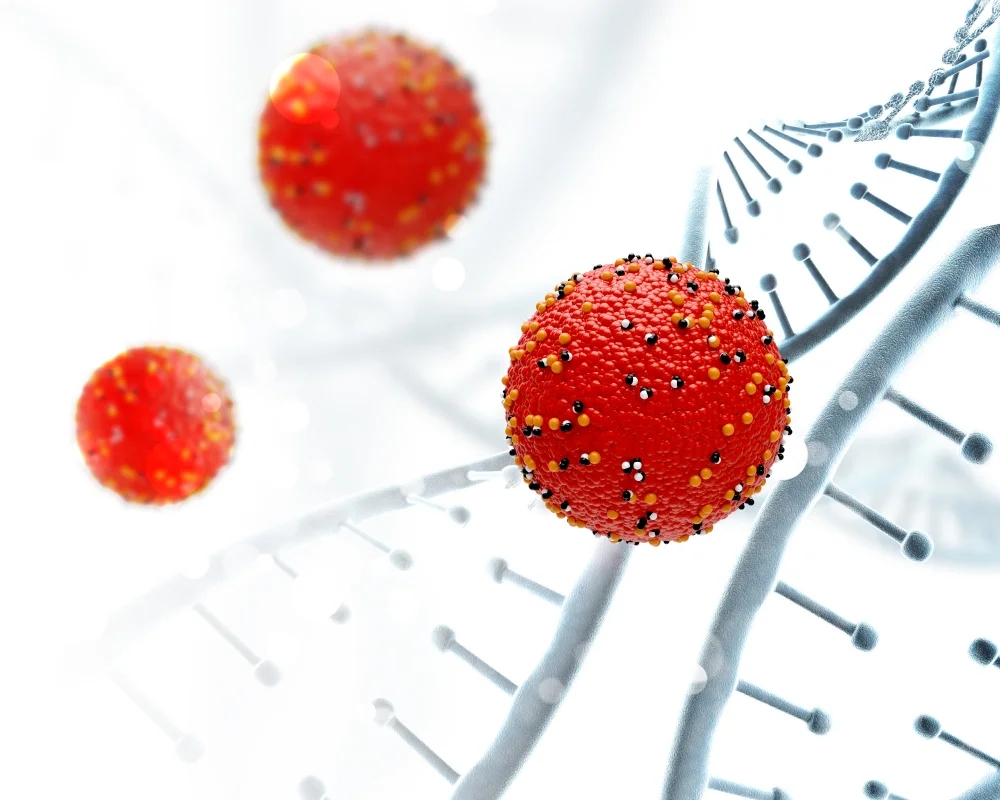
In the vast world of pharmaceuticals, understanding the various forms and categories of medications can significantly impact health outcomes. This blog sheds light on three major categories of medicines: tablets, injectables, and human growth hormone (HGH). Each plays a unique role in treating a wide array of medical conditions.
Tablets: The Ubiquitous Medicine Form
Convenience and Versatility
Tablets are perhaps the most commonly used form of medication. Their popularity stems from several advantages:
- Ease of Administration – Simple to take, often with just a glass of water.
- Controlled Dosage – Each tablet contains a precise dose, ensuring consistent treatment.
- Stability – Tablets have a longer shelf life compared to many other forms of medication.
Common Uses
Tablets are used to treat a wide range of conditions, including:
- Pain Relief – Medications like ibuprofen and acetaminophen.
- Chronic Conditions – Diabetes, hypertension, and cholesterol management.
- Infections – Antibiotic tablets to combat bacterial infections.
Injectables: Direct and Potent
Rapid Onset and Precision
Injectable medications are crucial when quick response or non-oral administration is required. Their benefits include:
- Quick Absorption – Delivered directly into the bloodstream, muscles, or tissues.
- High Bioavailability – Bypass the digestive system, ensuring maximum effect.
- Precision in Critical Care – Provide accurate control in emergencies.
Common Uses
Injectables are indispensable in several medical scenarios, such as:
- Emergency Situations – Epinephrine for allergic reactions, insulin for diabetic emergencies.
- Vaccinations – Many vaccines are administered via injection.
- Chronic Illness Management – Treatments for rheumatoid arthritis, multiple sclerosis, and more.
Human Growth Hormone (HGH): A Special Category
Unique Therapeutic Benefits
HGH is a vital component in the treatment of specific medical conditions, offering unique benefits:
- Growth Disorders – Essential for children with growth hormone deficiency.
- Muscle Wasting Diseases – Helps preserve muscle mass in conditions like HIV/AIDS.
- Aging-Related Treatments – Sometimes used in anti-aging therapies to improve muscle mass and skin elasticity (though controversial).
Administration and Regulation
- Method – HGH is usually administered via injection since it cannot be taken orally.
- Strict Regulation – Its use is highly controlled to prevent misuse and side effects.
Ethical Considerations
The use of HGH in sports and anti-aging raises ethical concerns. It should only be used under medical supervision to ensure safety and effectiveness.
Conclusion
Understanding the differences between tablets, injectables, and HGH empowers patients and caregivers to make informed decisions about treatment options.
- Tablets – Convenient and widely used for everyday conditions.
- Injectables – Fast-acting and precise, critical in emergencies.
- HGH – Specialized treatment for specific health needs, with strict regulation.
Each category plays a crucial role in maintaining and improving health. Always stay informed and consult healthcare professionals to ensure the best outcomes for your health needs.
Related Articles
Our blogs
Stay updated with the latest insights from the world of pharmaceuticals. Explore expert articles, research updates, and health-focused discussions.

Medicines for Chronic Conditions: What You Should Know
Chronic conditions such as diabetes, hypertension, and high cholesterol affect millions of people worldwide and require consistent, long-term management. Medicines play a critical role in controlling symptoms, preventing complications, and improving quality of life. Understanding the types of medications available, how they work, and best practices for their use can empower patients to manage their […]
Read More
Emerging Trends in Pharmaceutical Manufacturing & R&D
The pharmaceutical industry is evolving at an unprecedented pace, driven by technological advancements, patient-centric care, and global health challenges. Manufacturing and research processes are no longer just about producing medicines; they now focus on efficiency, quality, innovation, and sustainability. Staying informed about these trends is crucial for healthcare professionals, companies, and patients alike. 1. Automation […]
Read More
Safe Storage and Handling of Medicines at Home
Medicines are essential for maintaining health and managing illnesses, but their effectiveness depends greatly on how they are stored and handled. Improper storage conditions — such as exposure to heat, humidity, or light — can reduce potency, cause contamination, and even lead to harmful side effects. Understanding the basics of medicine safety at home is […]
Read More
Generic vs Brand-Name Medicines: What You Should Know
In the pharmaceutical industry, patients often face a common question: Should I choose a brand-name medicine or a generic one? While both serve the same purpose — to treat or manage health conditions — they differ in name, price, and perception. Understanding how these medicines are developed, tested, and regulated can help you make informed […]
Read More
Understanding Different Dosage Forms in Pharmaceuticals
In the vast field of medicine, understanding the different dosage forms of pharmaceuticals is essential for both healthcare providers and patients. Each form—be it a tablet, injectable, topical, or capsule—serves a specific purpose, determined by how the body best absorbs and utilizes the medication. Choosing the correct dosage form can improve treatment effectiveness, patient compliance, […]
Read More
Exploring the Essentials: Tablets, Injectables, and Human Growth Hormone (HGH)
Understanding the differences between tablets, injectables, and human growth hormone (HGH) empowers better health decisions and outcomes.
Read More