Generic vs Brand-Name Medicines: What You Should Know
In the pharmaceutical industry, patients often face a common question: Should I choose a brand-name medicine or a generic one? While both serve the same purpose — to treat or manage health conditions — they differ in name, price, and perception. Understanding how these medicines are developed, tested, and regulated can help you make informed […]

Thaiger Pharma
10/20/2025
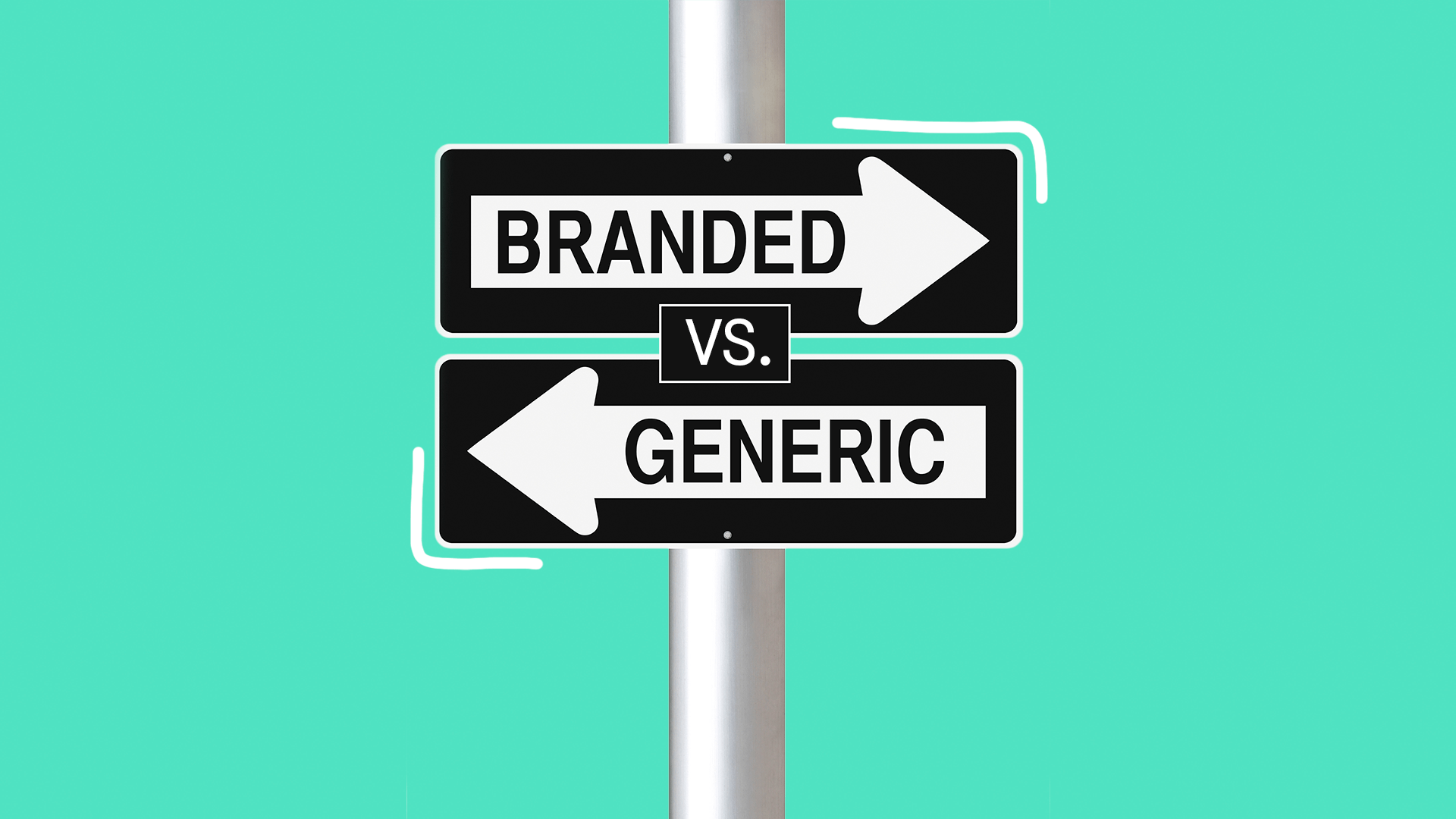
In the pharmaceutical industry, patients often face a common question: Should I choose a brand-name medicine or a generic one? While both serve the same purpose — to treat or manage health conditions — they differ in name, price, and perception. Understanding how these medicines are developed, tested, and regulated can help you make informed and confident healthcare decisions.
What Are Brand-Name Medicines?
Brand-name medicines are the original products developed by pharmaceutical companies after years of research, testing, and regulatory approval. These drugs are protected by patents, which give the manufacturer exclusive rights to produce and sell them for a specific period.
Key Features of Brand-Name Drugs:
- Innovation: Developed through extensive research and clinical trials.
- High Cost: Includes the investment of years of R&D and marketing.
- Quality Assurance: Subject to rigorous testing and regulatory review.
- Recognition: Often marketed under memorable brand names for easy recall.
Example: Drugs like Lipitor (atorvastatin) and Glucophage (metformin) were initially brand-name products before their patents expired.
What Are Generic Medicines?
Once the patent of a brand-name medicine expires, other companies are allowed to produce generic versions. These medicines contain the same active ingredient, strength, dosage form, and route of administration as the original — but are sold under the chemical name, usually at a lower cost.
Advantages of Generic Medicines:
- 💰 Cost-Effective: 50–80% cheaper than branded drugs.
- ✅ Same Quality & Efficacy: Must meet strict bioequivalence standards set by regulatory bodies.
- 🌍 Wider Accessibility: Helps more patients afford treatment.
- 🏥 Trusted Globally: Approved by agencies like the FDA, EMA, and CDSCO.
Regulatory Standards and Safety
Both brand-name and generic medicines are held to the same quality, safety, and efficacy standards. Before approval, generics must demonstrate bioequivalence, proving that they deliver the same amount of active ingredient into the bloodstream in the same time frame as the brand-name drug.
In Short:
- Same Effect: Works just as effectively as the brand version.
- Same Safety Profile: Side effects and interactions remain consistent.
- Same Manufacturing Standards: Produced under Good Manufacturing Practices (GMP).
Common Misconceptions
Despite their proven equivalence, generic drugs are sometimes misunderstood.
Here are some myths clarified:
- Myth: Generics are lower in quality.
Fact: They are equally safe and effective, approved by the same authorities. - Myth: They act slower or differently.
Fact: They contain the same active ingredients, producing identical effects. - Myth: They are unsafe for chronic use.
Fact: Generics are used safely by millions worldwide for long-term treatments.
Conclusion
The choice between brand-name and generic medicines ultimately depends on your doctor’s recommendation and personal preference. However, knowing that generic medicines offer the same benefits at a fraction of the cost can empower patients to make financially and medically sound decisions.
Both versions uphold the same standards of safety, quality, and effectiveness — ensuring you receive the best care possible, regardless of brand.
Related Articles
Our blogs
Stay updated with the latest insights from the world of pharmaceuticals. Explore expert articles, research updates, and health-focused discussions.

Medicines for Chronic Conditions: What You Should Know
Chronic conditions such as diabetes, hypertension, and high cholesterol affect millions of people worldwide and require consistent, long-term management. Medicines play a critical role in controlling symptoms, preventing complications, and improving quality of life. Understanding the types of medications available, how they work, and best practices for their use can empower patients to manage their […]
Read More
Emerging Trends in Pharmaceutical Manufacturing & R&D
The pharmaceutical industry is evolving at an unprecedented pace, driven by technological advancements, patient-centric care, and global health challenges. Manufacturing and research processes are no longer just about producing medicines; they now focus on efficiency, quality, innovation, and sustainability. Staying informed about these trends is crucial for healthcare professionals, companies, and patients alike. 1. Automation […]
Read More
Safe Storage and Handling of Medicines at Home
Medicines are essential for maintaining health and managing illnesses, but their effectiveness depends greatly on how they are stored and handled. Improper storage conditions — such as exposure to heat, humidity, or light — can reduce potency, cause contamination, and even lead to harmful side effects. Understanding the basics of medicine safety at home is […]
Read More
Generic vs Brand-Name Medicines: What You Should Know
In the pharmaceutical industry, patients often face a common question: Should I choose a brand-name medicine or a generic one? While both serve the same purpose — to treat or manage health conditions — they differ in name, price, and perception. Understanding how these medicines are developed, tested, and regulated can help you make informed […]
Read More
Understanding Different Dosage Forms in Pharmaceuticals
In the vast field of medicine, understanding the different dosage forms of pharmaceuticals is essential for both healthcare providers and patients. Each form—be it a tablet, injectable, topical, or capsule—serves a specific purpose, determined by how the body best absorbs and utilizes the medication. Choosing the correct dosage form can improve treatment effectiveness, patient compliance, […]
Read More
Exploring the Essentials: Tablets, Injectables, and Human Growth Hormone (HGH)
Understanding the differences between tablets, injectables, and human growth hormone (HGH) empowers better health decisions and outcomes.
Read More